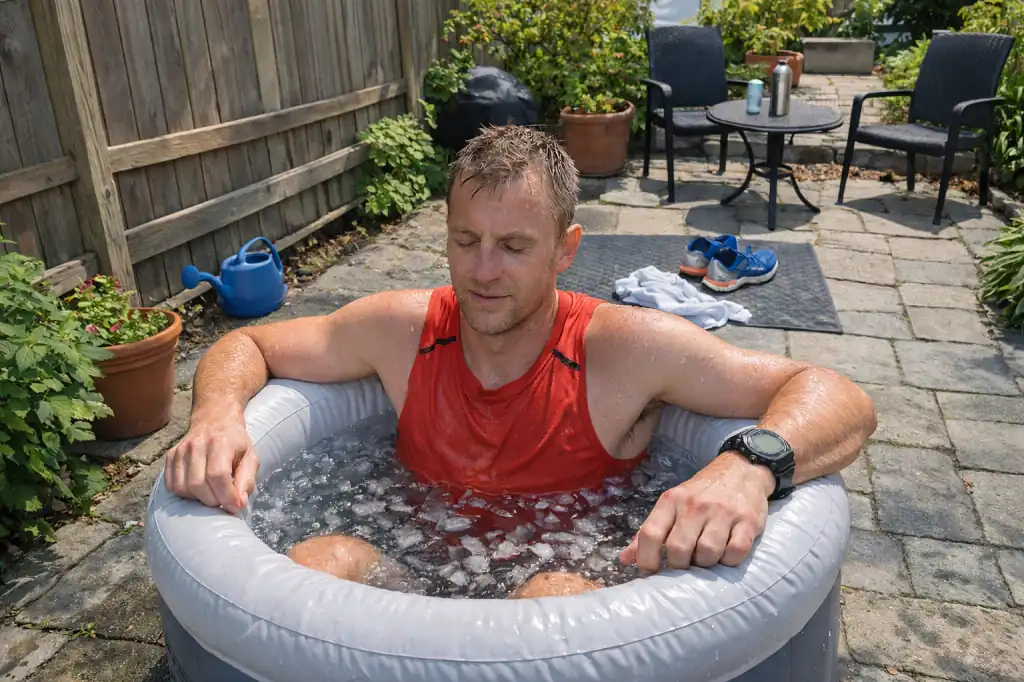
Plunge recovery has become a real talking point among runners, and the reason is not hard to understand. After a long run, a track workout, or race day, your legs can feel flat, sore, and oddly heavy.
That is usually the moment when cold water starts to sound less extreme and more sensible.
This guide looks at the practical side of it. What plunge recovery is, when it actually helps, and how to choose a tub that fits your training, your space, and your budget.
A plunge tub will not fix poor sleep or bad fueling. Still, in the right context, it can make a hard training week feel a lot more manageable.
Plunge recovery is a form of cold water immersion for runners. You sit in cold water for a short period after a hard effort to ease soreness and help your legs feel fresher. It tends to make the most sense after races, long runs, hard workouts, and hot-weather sessions.
What Is Plunge Recovery?
Quick definition for runners
Plunge recovery means using cold water after running to support post-run recovery. Most runners use it after sessions that leave the legs trashed, not after a casual easy run. You can do it in a dedicated plunge tub, a stock tank, or a basic ice bath at home.
How plunge recovery works
The simplest way to think about it is this. Cold water changes how your body responds after a hard effort.
While you sit in the tub, your blood vessels tighten. Once you get out and warm up again, they open back up. That shift may help with the puffy, sore, beaten-up feeling runners often get after long runs or speed sessions.
There is also the mental side. A short cold plunge can calm things down. A lot of runners step out feeling more settled, less inflamed, and less wrecked.
That does not mean your legs suddenly become brand new. It means you may feel better sooner, which matters when another hard session is coming.
Plunge recovery vs ice bath vs cold shower
These three get grouped together, but they are not quite the same.
A cold shower feels good and wakes you up. Still, it does not surround your legs in cold water the way a tub does. A basic ice bath works, but the temperature can swing a lot. A dedicated tub gives you a more repeatable setup.
That consistency matters, especially when you want recovery to feel like part of your training routine instead of a random experiment.
| Method | Water temperature control | Ease of use | Best for |
|---|---|---|---|
| Dedicated plunge tub | High | Easy once set up | Frequent home use |
| Basic ice bath in tub or stock tank | Low to medium | Medium | Budget setups |
| Cold shower | Low | Very easy | Quick cooldown, not full leg immersion |
What the Research Says About Plunge Recovery for Runners
Benefits the evidence supports most
The strongest support for ice bath recovery is fairly practical. It may help reduce muscle soreness. It may also improve how recovered runners feel after a hard session.
That second point matters more than people admit. Training does not happen in a lab. It happens when tired runners wake up the next morning and decide whether they feel ready to go again.
The evidence leans most clearly toward better short-term comfort after hard exercise.
Where the evidence is mixed
The picture gets less clear when people treat cold water like a cure-all.
Most runners do not need a plunge after every easy run (experts recommend 1-3x/week post-intense efforts ). In some cases, using cold exposure too often right after training may not support long-term adaptation as well as normal recovery does.
That does not make plunge recovery a bad idea. It just puts it in the right place. Use it as a tool for hard efforts, not as a daily badge of discipline.
Best use cases for runners
This is where it makes the most sense.
✅ After a race, when your legs feel like they took a beating.
✅ Post long run, especially late in a marathon block.
✅ After intervals or hill repeats, when the calves and quads start talking back.
✅ During hot-weather training, when the whole body feels cooked, not just the legs.
Key takeaway: Plunge recovery seems most useful for soreness and short-term recovery. It helps most after hard efforts and matters far less after easy days.
Benefits of Plunge Recovery for Runners
May reduce muscle soreness and heavy-leg feeling
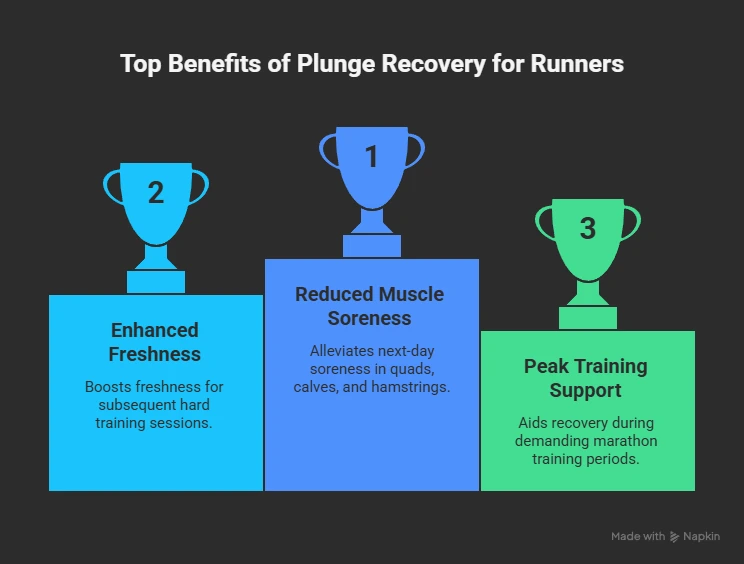
This is the benefit most runners care about first. A cold plunge for runners may take the edge off that next-day soreness that settles into the quads, calves, and hamstrings.
It is not magic. It will not erase DOMS. Still, there is a big difference between legs that feel a bit sore and legs that feel like concrete.
That difference can change the tone of the whole next day.
Can help runners feel fresher for the next hard session
Feeling recovered and being fully recovered are not exactly the same thing.
Cold water often helps with the first part. That matters when training stacks up. Maybe you raced on Saturday and still want to jog on Sunday. Maybe you crushed a Tuesday workout and have another quality day on Thursday.
In those moments, even a small bump in how fresh you feel can help you stay consistent.
May support recovery during peak training
Peak marathon training is not elegant. It is often messy, repetitive, and tiring. You run, eat, stretch a bit, answer emails, and try not to fall asleep at 8:30.
That is where running recovery gear can earn its place. Not because it looks impressive, but because it makes a hard week easier to absorb.
A plunge tub can fit that role well, especially when your mileage climbs and your legs never quite feel fully caught up.
Limits runners should understand
This part needs to stay honest.
A cold plunge does not outrank sleep. It does not outrank hydration. And it does not outrank enough carbs, enough protein, or a sensible training plan.
It also does not need to happen after every run. In fact, for many runners, that would be overkill.
Pros and cons of cold plunge
| Pros | Cons |
|---|---|
| May reduce soreness | Does not replace basics like sleep and food |
| Can improve short-term recovery feel | Not necessary after every run |
| Useful after races and long runs | Premium tubs cost a lot |
| Can help during heavy training blocks | Cleaning and maintenance take work |
When Runners Should and Should Not Use Plunge Recovery
Best times to use it
The best times are the obvious ones. After hard workouts, races, long runs, and hot sessions.
These are the days when your legs feel loaded, your stride gets clunky, and recovery starts to feel like part of the workout itself. A cold plunge after a long run can also be helpful when another quality session is close.
Times to skip it
There are also days when cold water adds very little.
An easy four-mile recovery run usually does not call for a plunge. Neither does a day when you already feel chilled, under-fueled, lightheaded, or generally run down.
Cold is still stress. Your body has to handle it.
Who should be careful
Some runners should be more careful with cold exposure. That includes people with circulation issues, heart conditions, strong nerve sensitivity, or medical advice to avoid cold.
That does not mean everyone needs to worry. It means you should treat it like a real recovery method, not a social media stunt.
Good time for plunge recovery?
| Question | Yes or No |
|---|---|
| Did you just finish a hard workout, race, or long run? | Yes |
| Do your legs feel heavy, swollen, or unusually sore? | Yes |
| Are you under-fueled, dizzy, or shivering already? | No |
| Are you sick or run down? | No |
| Has a doctor told you to avoid cold exposure? | No |
How to Do Plunge Recovery Safely
Ideal temperature and time for most runners
For most runners, 50 to 59°F, or 10 to 15°C, is a sensible range. Stay in for about 5 to 10 minutes.
That is cold enough to do the job without turning the session into a survival exercise. A lot of beginners think colder must be better. Usually, it is not.
You want a routine you can repeat, not one you dread.
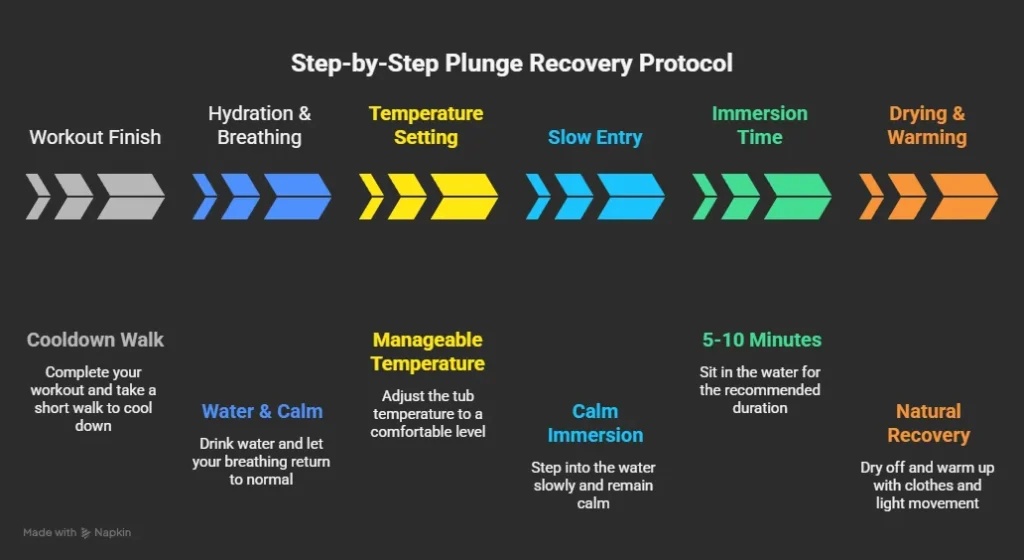
Step-by-step plunge recovery protocol
- Finish your workout and take a short cooldown walk.
- Drink some water and let your breathing settle.
- Set the tub to a manageable temperature.
- Step in slowly and stay calm.
- Sit in the water for 5 to 10 minutes.
- Dry off and warm up naturally with clothes and light movement.
That is enough for most runners. You do not need a dramatic ritual around it.
Common mistakes to avoid
The first mistake is going too cold too soon.
The second is staying in too long because it feels tough and impressive.
The third is ignoring the boring part, which is water quality. A recovery tub still needs cleaning, filtration, and basic sanitation. Skip that, and the whole setup becomes annoying fast.
How to Choose the Right Plunge Recovery Tub
Start with your budget, space, and training needs
This is where people often get carried away.
A runner in a small apartment does not need the same setup as someone with a backyard gym. A beginner who wants to try cold therapy twice a month should not shop like a pro athlete.
Start with one honest question. Will this become part of your week, or will it become an expensive idea?
That answer should shape everything else.
Cooling power and temperature control
Ice-based setups are cheaper to buy. They are also more work every single time you use them.
A chiller-based system costs more up front, but it removes friction. That matters after a long run, when the last thing you want to do is haul bags of ice around and guess the water temperature.
Stable temperature also makes the experience more predictable.
Filtration, sanitation, and maintenance
This is the least glamorous part of the decision, and one of the most important.
Good filtration and sanitation save time. They also make regular use far more realistic. A tub that is easy to maintain tends to get used. A tub that feels like a chore often turns into a very expensive storage container.
Size, comfort, portability, and noise
Tall runners should check whether they can actually get full leg immersion. That sounds obvious, but it gets missed all the time.
Comfort matters too. Entry and exit should feel safe, especially when your legs are already tired. Portable tubs help in small spaces. Indoor setups should also factor in chiller noise, because some systems are louder than buyers expect.
Durability, warranty, and customer support
A cheap portable tub can be a smart first step. It does not need to last forever to be useful.
Premium systems need a stronger case. At that price, you want solid materials, weather resistance, a decent warranty, and support that answers real questions.
Must-have features: A tub that fits your body, safe entry and exit, good insulation, and a maintenance setup you will still tolerate a month from now.
Types of Plunge Recovery Tubs for Runners
Portable inflatable tubs
These make sense for beginners. They cost less, store easily, and do not demand much space.
The trade-off is durability. They also lose temperature faster and usually feel less polished day to day.
DIY stock tank setups
This is the practical budget route. You get plenty of room and a sturdy shell without spending much.
The catch is simple. You handle more of the setup yourself, and you will spend more time on maintenance.
Chiller-based systems
These are easier to live with. They cool the water reliably and make routine use much simpler.
That ease comes at a higher price, but for frequent users, it can be worth it.
Premium all-in-one tubs
These are the most convenient and the best-looking options. They usually bring together chilling, insulation, and filtration in one package.
They also sit at the top of the price ladder.
| Tub type | Price range | Pros | Cons | Best for |
|---|---|---|---|---|
| Portable inflatable tub | $80 to $250 | Cheap, light, easy to store | Less durable, weak insulation | Beginners |
| DIY stock tank setup | $120 to $400 plus ice | Roomy, sturdy, low cost | More setup and cleaning work | Budget buyers |
| Chiller-based system | $1,500 to $4,000 | Stable temperature, easier routine use | Higher upfront cost | Regular users |
| Premium all-in-one tub | $5,000 to $12,000+ | Best convenience, strong insulation, cleaner look | Expensive, heavy | Serious home recovery |
Plunge Recovery vs Other Running Recovery Gear
Plunge recovery vs compression boots
Compression boots are easier to love. You sit down, zip in, and relax. They feel comfortable, and they fit neatly into daily life.
Plunge recovery asks more from you. Even so, after a brutal workout or race, it often feels more powerful. It can create that full-leg reset that boots do not always match.
My take is simple. Plunge recovery vs compression boots comes down to habit and preference. Boots win on comfort and convenience. Cold often wins after the hardest efforts.
You might also be interested in: How to Choose Compression Boots for Athletes: Key Features Explained
Plunge recovery vs foam rollers and massage guns
Foam rollers and massage guns shine when one area feels tight and annoying. Maybe your calves are stubborn. Maybe one quad keeps knotting up.
A plunge tub does something different. It treats the whole lower body at once. It makes more sense when the problem is not one sore spot, but that overall heavy-leg feeling after a big run.
You might also be interested in: 7 Key Gun Massage Benefits for Running Recovery
What matters more than any gear
This part is less exciting, but it is the truth.
Sleep still matters most. Hydration still matters most. Eating enough still matters most. Easy days and rest days still matter most.
Recovery gear can help. It cannot rescue a training plan that ignores the basics.
What Does a Plunge Recovery Tub Really Cost?
Upfront cost
The price range is wide. A basic portable tub might cost less than a race entry and a pair of socks. A premium setup can cost as much as a good treadmill.
That spread is why it helps to get honest about how often you will use it.
Ongoing cost
The purchase price is only part of the story.
Ice adds up. Chillers use electricity. Filters need replacing. Sanitizers cost money. Water changes take time. Some cheap setups stay cheap. Others become more expensive than expected once real use starts.
When the cost is worth it for a runner
A plunge tub usually makes the most sense for runners with a high training load, regular soreness, and a strong chance of using it at home every week.
It also looks better financially when more than one person in the household uses it.
| Setup | Upfront cost | Typical yearly extras |
|---|---|---|
| Portable ice-based tub | $80 to $250 | $150 to $600 |
| DIY stock tank | $120 to $400 | $200 to $900 |
| Chiller-based system | $1,500 to $4,000 | $250 to $700 |
| Premium all-in-one tub | $5,000 to $12,000+ | $300 to $900 |
Actual costs depend on climate, electricity prices, and how often you use the tub.
Quick Buyer Checklist for Runners
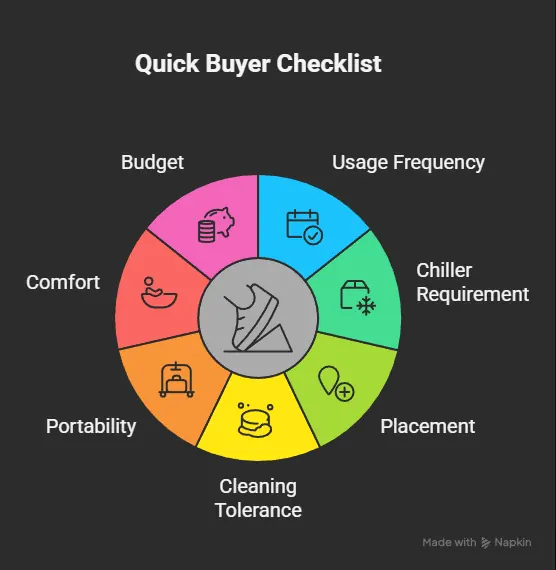
7 questions to ask before you buy
- How often will I really use it?
- Do I need a chiller, or am I fine buying ice?
- Where will the tub go?
- How much cleaning can I realistically tolerate?
- Do I need it to be portable?
- Will I fit comfortably in it?
- What is my real budget once maintenance is included?
That last question rules out a lot of bad purchases.
FAQ
What is plunge recovery?
Plunge recovery is a short cold-water session after exercise. Runners use it to ease soreness and feel fresher after races, long runs, and hard workouts. It tends to work best as a recovery tool for demanding days, not something you need after every easy run.
Does plunge recovery help runners recover faster?
It may help reduce soreness and improve how recovered runners feel after hard training. The evidence is stronger on comfort and recovery feel than on huge performance gains. For many runners, that is still useful, especially in busy training weeks.
How cold should plunge recovery be?
Most runners do well around 50 to 59°F, or 10 to 15°C. That range is cold enough for the intended effect without becoming unnecessarily harsh. Beginners should start warmer, then adjust based on comfort and consistency.
How long should a runner stay in a plunge tub?
A good starting point is 5 to 10 minutes. New users should stay closer to the lower end. Longer is not automatically better. The goal is a controlled, repeatable recovery habit, not a test of tolerance.
Is plunge recovery good after every run?
Usually not. It tends to be most useful after races, long runs, hard workouts, and hot training sessions. Easy runs rarely justify it. Most runners will get more value by saving it for the days that actually beat up their legs.
What is the best plunge recovery tub for home use?
That depends on budget, space, and how often you plan to use it. A stock tank or portable tub suits many beginners. A premium chiller-based tub makes more sense for runners who use it often and want a simpler routine.
Is plunge recovery safe for everyone?
No. People with heart issues, circulation problems, strong cold sensitivity, or medical advice to avoid cold should be cautious. Anyone who feels dizzy, sick, under-fueled, or unusually cold should skip it that day.
Conclusion
Plunge recovery can be a useful tool for runners, especially after hard efforts that leave the legs feeling dull, sore, and heavy. Its biggest strengths are pretty clear. It can help with soreness, improve short-term recovery feel, and make demanding training blocks easier to handle.
It is not essential after every run, and it does not outrank the basics. Good sleep, enough food, proper hydration, and smart training still do the real heavy lifting.
For most runners, the best tub is not the fanciest one. It is the one that fits their space, their budget, and their actual habits. Choose the setup you will really use after tough runs, and it has a much better chance of earning its place.