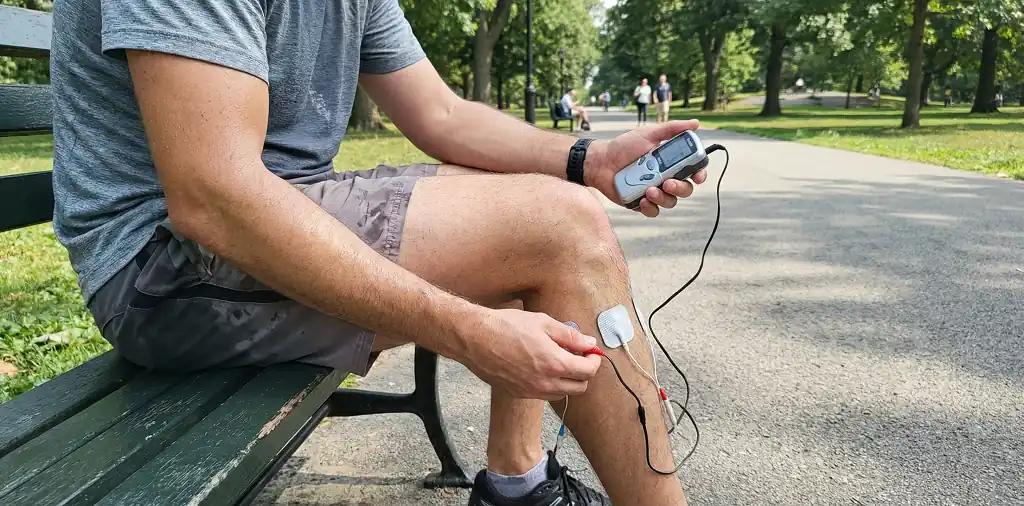
A portable muscle stimulator looks tempting when your calves feel like concrete after intervals, hills, or a long run. You finish the workout, sit down for five minutes, and then the stiffness hits. Stairs feel rude. Getting out of the car feels worse.
That is why more runners now look at EMS devices as part of their recovery routine. The promise sounds simple: less tightness, fresher legs, and easier recovery between hard sessions. The real answer takes a bit more care.
This guide breaks the topic down in plain English. We will answer three questions that matter before you buy. Does it actually help? Is it safe? How do you choose one that fits your training and budget?
I based this guide on current recovery research, common device safety advice, and what tends to matter in real-world use.
Quick answer: A portable muscle stimulator may help some runners feel less stiff or heavy after hard efforts. It works best as a support tool, not as a shortcut around sleep, hydration, food, easy running, and strength work.
What Is a Portable Muscle Stimulator?
A portable muscle stimulator is a small device that sends gentle electrical pulses through pads placed on your skin. Those pulses make muscles contract lightly, which may help with muscle activation, comfort, and recovery after running.
Simple definition
In plain terms, it is a small battery-powered or rechargeable recovery device.
You place adhesive pads over a muscle, switch the device on, and choose a program. The device then sends mild pulses to that area.
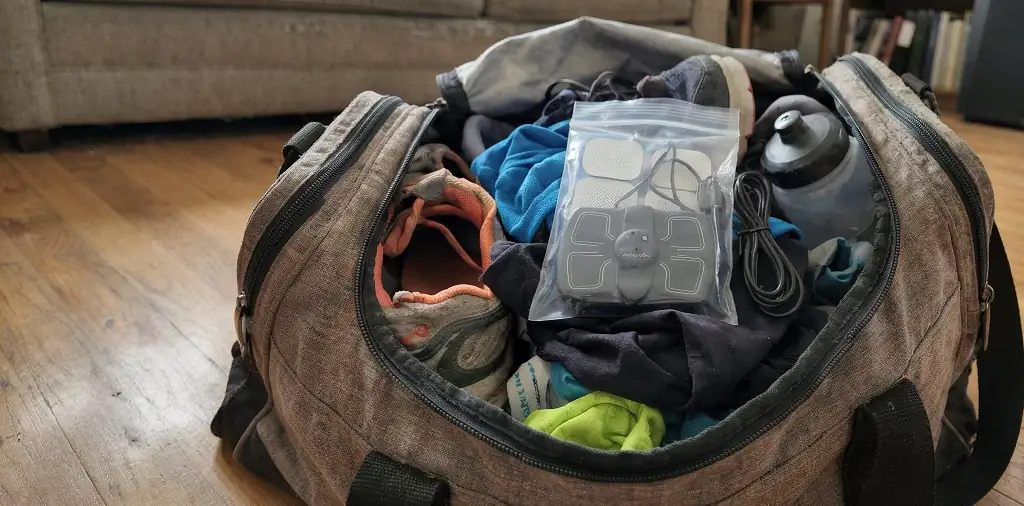
“Portable” matters more than it sounds. It means you can use it at home, at work, after a race, or while traveling. For runners, that convenience often matters as much as the technology.
How it works
The pads sit on the skin over muscles like the calves, quads, hamstrings, or glutes.
The electrical pulses create small, repeated muscle contractions. That action may help some runners feel less stiff. It may also help muscles feel “awake” again after a hard session or a long day sitting down.
The effect can vary a lot. Your body, the device settings, pad placement, and your training fatigue all shape the result.
EMS vs TENS in one sentence each
EMS stands for electrical muscle stimulation. It aims to create muscle contractions. More on that topic here.
TENS stands for transcutaneous electrical nerve stimulation. It mainly targets pain signals rather than muscle work. More on that topic here and here.
Many buyers mix these up. Some devices offer both modes, but they do not do the same job.
Does a Portable Muscle Stimulator Help Runners Recover?
The honest answer is sometimes, and not for every runner.
What it may help with
A portable EMS device may help with:
- heavy legs after speed work
- mild post-run tightness
- light muscle activation on rest days
- travel recovery after races
- desk-day stiffness after training
Some runners say their legs feel fresher after a short recovery session. That matters, even if the feeling does not always show up in a lab result.
I have seen this pattern many times with runners. A marathon trainee may love a massage gun at home, but on race weekend, they reach for EMS. It fits in a small bag, it stays quiet, and it works while they sit in a hotel room.
What the science says
The research on EMS for running recovery is mixed.
Some studies suggest benefits for perceived recovery, muscle activation, or comfort after exercise. Other studies show small effects or no clear advantage over simpler recovery habits.
That doesn’t mean it is useless. It means you should treat it like a support tool, not a miracle fix.
A good summary looks like this:
- some runners notice a clear benefit
- some notice only a small change
- some feel almost nothing
That range makes sense. Recovery rarely depends on one gadget. It depends on the bigger picture.
Sleep, food, hydration, easy movement, and sensible training load still matter more.
If you skip those basics, no sore leg recovery device will save the week.
What it probably will not do
A portable muscle stimulator will not:
- erase soreness on command
- fix poor training habits
- treat a real injury on its own
- replace rehab from a physical therapist
- undo a week of bad sleep
That point matters. A lot of runners confuse soreness with injury.
If your quads feel dull and tired a day after a tempo run, that is one thing. If your calf hurts during every run and gets worse each week, that is another.
Can it help prevent injury?
Indirectly, maybe. Directly, not much.
If EMS helps you manage fatigue better, you may make smarter choices. You may also feel more ready for the next hard session.
Still, real injury prevention depends much more on:
- smart training load
- good shoes for your needs
- strength training
- enough sleep
- good fueling
- basic mobility
- honest rest when your body asks for it
If I had to choose one investment for injury prevention, I would pick strength work and smart training before any recovery gadget.
Bottom line:
- A portable muscle stimulator may help some runners feel better after hard efforts
- It works best as one tool inside a full recovery routine
- It does not replace the boring basics that actually work
Portable Muscle Stimulator vs Other Recovery Tools
Runners rarely buy only one recovery tool forever. They compare. They test. They keep what fits their routine.
Here is the practical view.
EMS vs TENS for runners
This is the first fork in the road.
Choose EMS if your goal is:
- muscle activation
- heavy-leg recovery
- post-run freshness
- support between hard training days
Choose TENS if your goal is:
- pain relief
- managing discomfort
- calming a sore area
Some combo devices include both. That sounds useful, and sometimes it is. Still, a dual-mode device only helps if the controls stay simple. Confusing menus make people stop using the thing.
Portable muscle stimulator vs massage gun
A muscle stimulator works best when you want hands-free recovery.
You stick on the pads, sit down, and let it run.
A massage gun works best when you want direct pressure on a tight spot.
It can feel more immediate. It can also feel too intense if your legs already feel beat up.
Here is the trade-off:
- muscle stimulator: quiet, light, easy for travel, low effort
- massage gun: more direct pressure, better for pinpoint tightness, often louder and bulkier
If your calves always feel knotted in one exact spot, I would lean toward a massage gun first. If your whole lower body feels tired after long runs, EMS makes more sense.
Portable muscle stimulator vs compression boots or foam roller
Compression boots give you a passive recovery feel. You lie back and let the boots do the work. They usually cost more and take up far more space.
A foam roller costs less and works well for mobility and self-massage. Still, it takes effort. It also loses appeal fast when you feel tired.
A portable muscle stimulator sits in the middle:
- more portable than compression boots
- less physical effort than foam rolling
- focused on electrical pulses, not pressure
Quick comparison table
| Tool | Best For | Main Benefit | Main Drawback | Price Range | Best Runner Type |
|---|---|---|---|---|---|
| Portable EMS device | Post-run recovery | Hands-free, portable | Results vary | $30 – $300 | Traveling runners |
| TENS unit | Pain management | Targets pain signals | Won’t contract muscles | $20 – $200 | Runners with chronic pain |
| Massage gun | Tight spots, knots | Deep targeted pressure | Noisy, needs hands | $50 – $400 | Runners with specific tension |
| Compression boots | Full-leg recovery | Passive, relaxing | Expensive, bulky | $150 – $1,000+ | Marathon trainees at home |
| Foam roller | Mobility, warm-up | Cheap, versatile | Manual effort | $10 – $60 | All runners |
Is a Portable Muscle Stimulator Safe for Runners?
For most healthy adults, a portable muscle stimulator can be safe when they use it as directed. The word there is directed.
Most problems come from using too much intensity, poor pad placement, old pads, or using it when you should not.
5 Safety Rules for Using a Portable Muscle Stimulator
- Start with low intensity
- Follow the device instructions
- Place pads on clean, dry skin
- Stop if the sensation feels sharp or painful
- Do not use it while driving or sleeping
These rules sound basic, but they matter.
A runner who jumps straight to a high setting often decides EMS “hurts” and never touches the device again. Usually, the problem was not the tool. The problem was impatience.
Who should avoid it or ask a doctor first
Do not guess here. Check first if you have:
- a pacemaker or other implanted device
- pregnancy
- epilepsy or a seizure disorder
- a suspected blood clot
- broken skin, open wounds, or skin infection
- unexplained swelling
- severe or unusual pain
These are not small exceptions. They are real safety flags.
More on safety: FDA safety information on powered muscle stimulators
Common mistakes runners make
The most common mistakes are easy to avoid:
- turning intensity up too high, too fast
- placing pads in the wrong spot
- reusing old, dry pads
- using it over irritated skin
- trying to treat an injury without a proper assessment
A muscle stimulator for runners works best when you respect the tool. It should feel strong but manageable, not brutal.
When to stop and get medical help
Stop using the device and get help if you notice:
- numbness that does not go away
- strong pain
- new swelling
- pain that keeps showing up during runs
- signs of injury, not normal soreness
That last point matters. DOMS, or delayed onset muscle soreness, usually feels like next-day muscle ache after hard work. Sharp pain, limping, swelling, or one-sided pain that keeps building points in a different direction.
How to Use a Portable Muscle Stimulator After a Run
A good routine stays simple. The more steps you add, the less often you will use it.
Best time to use it
Most runners use a portable muscle stimulator:
- after speed work
- after hill sessions
- after long runs
- later in the day when legs feel heavy
- during travel after races
- on easy or rest days for light recovery
You do not need to use it after every run. A short recovery session after your hardest efforts makes the most sense.
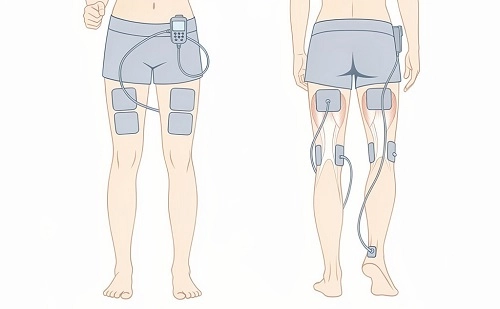
Where runners usually place the pads
Most runners target:
- calves
- quads
- hamstrings
- glutes
Follow the device manual for exact placement. Do not copy a random social media diagram and hope for the best.
One runner may place pads on the calf and love the feeling. Another may need a slightly different position to get a useful contraction. Small changes matter.
Session length and intensity
Start low. Then stay patient.
A recovery session should feel noticeable but comfortable. It should not feel sharp, burning, or overwhelming.
Many beginners start with 10 to 15 minutes, if the manual allows it. After that, they adjust based on comfort and skin response.
Do not chase the strongest possible setting. Stronger does not always mean better.
Simple step-by-step routine
- Clean and dry your skin
- Place the pads as the manual shows
- Choose a recovery or EMS mode
- Start on low intensity
- Run a short session
- Check your skin after use
- Drink water and continue your normal recovery routine
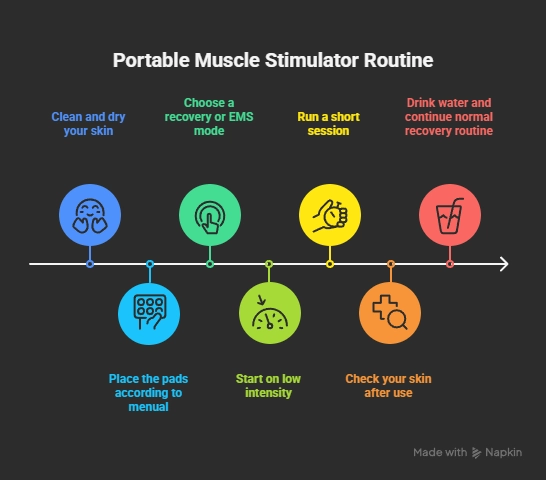
That last step matters more than people think. EMS for running recovery works best when it sits next to the basics, not instead of them.
Sample beginner recovery plan
If you are new, keep it boring for the first two weeks:
- 10 to 15 minutes after a hard run
- focus on calves or quads first
- use it 2 to 3 times per week
- track how your legs feel the next day
That simple tracking helps. A runner might assume the device does nothing, then notice their calves feel less sore before the next workout. Or they may notice no change at all. Both outcomes tell you something useful.
How to Choose a Portable Muscle Stimulator
This is where buyers often waste money.
The flashy features grab attention first. The boring features decide whether you keep using the device three months later.
How to Choose a Portable Muscle Stimulator for Running Recovery
Must-have features
Look for these first:
- adjustable intensity levels
- clear EMS modes
- simple controls
- rechargeable battery or long battery life
- pads that stick well
- easy access to replacement pads
- small, portable size
- clear instructions and safety guidance
If I bought one today, I would care most about pad quality, easy controls, and battery life. Fancy app control sounds nice. Dead pads and confusing menus ruin the experience fast.
Nice-to-have features
These features can help, but they should not drive the whole decision:
- app control
- multiple channels
- pre-set recovery programs
- compact charging dock
- quiet operation
- bright, easy-to-read screen
- warranty and useful customer support
What matters most for runners
Runners should think about use, not just specs.
A strong portable EMS device for runners should fit these real situations:
- quick setup after training
- good pad options for calves and quads
- lightweight design for travel
- comfortable use on tired legs
- reliable battery for repeated use
- reasonable replacement pad cost
This last one gets ignored. Then people discover the device was cheap, but the pads cost too much.
Red flags before you buy
Walk away if you see these signs:
- wild claims like “instant recovery”
- no clear instructions
- no safety warnings
- unclear brand or seller details
- cheap pads with poor reviews
- no return policy
- no warranty information
A running recovery device should not feel mysterious. If the seller hides basic details, trust your gut.
Best fit by runner type
| Runner Type | Priority Features | Budget Range |
|---|---|---|
| Beginner runner | Simple controls, clear instructions | $30 – $80 |
| Marathon trainee | More programs, better pad quality, long battery | $80 – $200 |
| Travel-heavy runner | Compact design, carrying case, USB charging | $60 – $150 |
| Budget buyer | Solid basics, low replacement pad cost | $25 – $60 |
Buyer checklist
Before you buy, ask yourself:
- Do I want EMS, TENS, or both?
- Which muscles will I target most?
- How often will I use it?
- Do I need a travel-friendly size?
- What is my real budget for replacement pads?
If you only want deep pressure on tight muscles, I would not start with EMS. I would start with a foam roller or massage gun.
If you want a quiet, low-effort post-run recovery tool, EMS deserves a closer look.
What to Look for in a Portable Muscle Stimulator
- easy controls
- clear EMS modes
- solid battery life
- good replacement pad availability
- comfortable pad size for calves and quads
- clear safety instructions
- reasonable long-term cost
[Image to add here: Feature checklist with icons. Alt text: What to look for in a portable muscle stimulator for runners]
Pros and Cons of a Portable Muscle Stimulator for Runners
Pros
- small and easy to carry
- hands-free recovery
- may help legs feel less heavy
- useful after workouts or during travel
- less bulky than some other recovery tools
- easy to add to a normal recovery routine
Cons
- results vary from runner to runner
- it does not replace proper recovery habits
- poor pads can irritate skin
- some models feel confusing
- replacement pads add ongoing cost
- it may disappoint buyers who expect instant results
This is the cleanest way to think about it: high convenience, moderate upside, mixed results.
That is not a criticism. It is just the honest profile of the tool.
Who Should Buy One? A Simple Decision Guide
A portable muscle stimulator may fit you well if you:
- Run three or more times per week
- Often deal with heavy, sore legs after workouts
- Travel regularly for races or work
- Want a low-effort, hands-free recovery option
- Already handle the basics – sleep, hydration, nutrition, and gradual training increases
It may not fit you well if you:
- Expect it to treat or diagnose an injury
- Dislike fiddling with pads, settings, and sticky electrodes
- Mainly want deep tissue pressure (a massage gun or foam roller serves that better)
- Only want the absolute cheapest option with zero recurring costs
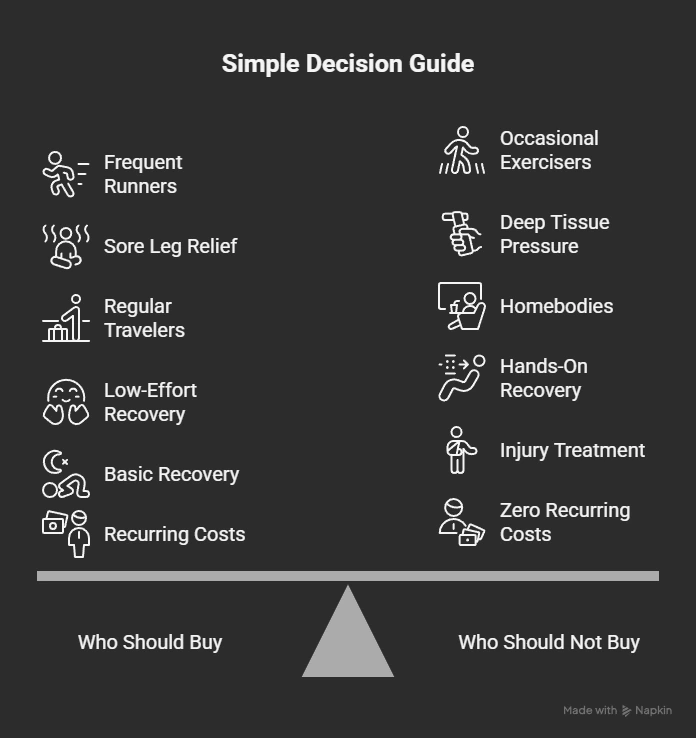
Best next step: compare a few models by battery life, pad quality, ease of use, and replacement cost.
If you already know you prefer pressure over stimulation, skip this category and look elsewhere.
FAQ
Does a portable muscle stimulator really help runners recover?
A portable muscle stimulator may help some runners feel less tight or heavy after hard sessions. Results vary, though. It works best inside a full recovery routine that includes sleep, hydration, food, and sensible training. Think of it as support, not a cure-all.
Is EMS or TENS better for runners?
EMS usually makes more sense for muscle activation and recovery support. TENS focuses more on pain relief. Some devices include both modes. Choose based on your main goal, not the marketing. Heavy legs after training point more toward EMS than TENS.
How long should I use a portable muscle stimulator after a run?
Most runners should start with short sessions and low intensity. Many begin around 10 to 15 minutes if the manual allows it. Check how your muscles and skin respond. Comfort matters more than pushing the setting as high as possible.
Can I use a portable muscle stimulator every day?
Some people do, but most runners do not need daily use. Start with a few sessions each week and pay attention to how your legs feel. If your skin gets irritated or the sessions stop helping, scale back and reassess your routine.
Where should runners place the pads?
Common target areas include the calves, quads, hamstrings, and glutes. Follow the device manual for exact placement. Avoid damaged or irritated skin. Do not guess based on someone else’s setup, because small placement changes can alter the feel and effect.
Can a portable muscle stimulator improve blood flow?
It may help support circulation through light muscle contractions. That is one reason some runners say their legs feel fresher after use. Still, it does not treat circulation problems or blood clots. Get medical advice if you have swelling or unusual pain.
Who should not use a portable muscle stimulator?
People with implanted devices, pregnancy, seizure disorders, suspected blood clots, broken skin, or unexplained pain should check with a doctor first. If a run causes severe pain, swelling, or numbness, do not treat it like normal soreness and hope for the best.
Final thoughts
A portable muscle stimulator can be a useful piece of post-run recovery gear. For the right runner, it offers quiet, hands-free support after hard sessions, race travel, or long desk days. Still, it will never outrank the basics.
If you want better muscle recovery after running, start with sleep, hydration, solid meals, strength work, and smart training load. Then add tools that make those hard weeks easier to manage.
If this sounds like your kind of recovery tool, compare a few models by pad quality, battery life, comfort, and ease of use before you buy.